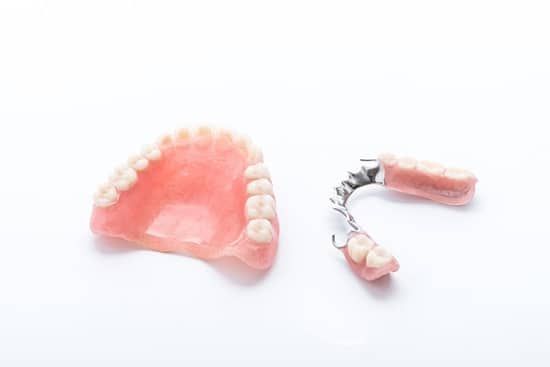
Signs Of Poorly Fitted Dentures
Are your dentures giving you problems? Changes in the shape and condition of gums over time can lead to dentures not fitting as well as they once did. If not addressed, wearing ill-fitting dentures may lead to a host of unpleasant health problems.
Luckily, poorly fitting dentures can be quickly and easily modified, ensuring they fit well and function correctly. Take a look at the signs that could indicate your dentures aren’t fitting as they should, as well as some possible consequences of wearing poorly fitting dentures and how to resolve the problem.

Signs Of Poorly Fitted Dentures
New dentures can take a little getting used to. In the first few weeks of denture wearing, it’s not uncommon for gums to feel a little uncomfortable after prolonged wear. Dentures may also initially make eating and/or talking a little challenging, whilst wearers get used to them. That said, if you notice that discomfort or difficulty in using dentures is persisting after a few weeks, it could be that the dentures need altering to provide a better fit.
Although dentures may fit well initially, as time goes on the oral cavity’s shape may change. This may mean dentures don’t fit as well as previously.
If you notice any of the following signs, your dentures may need to be relined or otherwise modified:
- Discomfort during denture use.
- Sore patches or abscesses developing on the gums.
- Difficulty in using dentures to chew.
- Difficulty in swallowing and/or talking whilst wearing dentures.
- Difficulty in fixing dentures so that they don’t move.
The Possible Consequences Of Wearing Ill-Fitting Dentures
If wearers persist in using dentures that don’t fit correctly, there can be a number of unpleasant consequences. Some of these are detailed below.
- Infected oral sores. If a sore caused by an ill-fitting denture isn’t allowed to heal, it’s possible that it will get infected. In extreme cases, the infection can spread into the bloodstream, potentially leading to deadly sepsis.
- An aged appearance. If dentures don’t fit correctly, they may not provide the stimulation facial muscles need to stay in shape. Over time, this can cause premature wrinkles and sag, adding years to a person’s appearance.
- Neck, head and ear pain. The additional and abnormal stresses on the maxillofacial area may cause the jaw and facial muscles to ache.
- Digestive problems. If dentures aren’t being used correctly due to a poor fit, it can cause food to be swallowed before it’s properly chewed. Wearers may also avoid crunchy foods or foods that require chewing, potentially resulting in nutrient deficiencies.
How To Fix Poorly Fitted Dentures
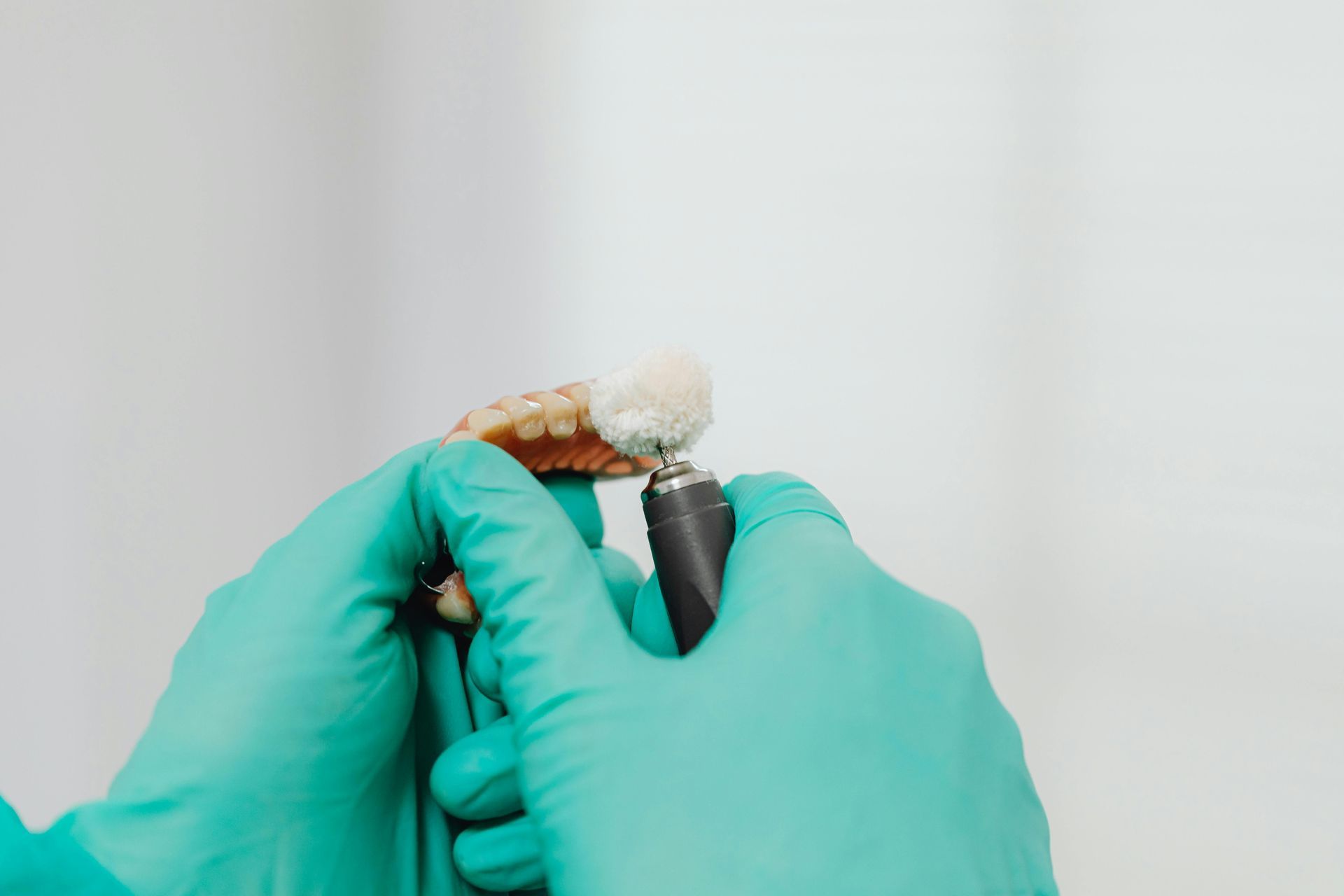
In most cases, poorly fitted dentures can be easily fixed by having them relined. Your dental prosthetist will file away any parts of the denture that are rubbing. Subsequently, they will apply a fresh layer of resin to the denture surface which touches the gums. This provides a smooth surface and usually eliminates the problems a poor fit causes.
Get in touch with the denture experts at Smiles on Hudson for assistance with poorly fitted dentures.